-
-
+911204125943

Managing PWD in Piglets – The Natural Way
Managing PWD in Piglets – The Natural Way
Pork is one of the most popular and important sources of animal protein, enjoyed in a number of countries worldwide across numerous different cultures and geographical regions. The year 2022 recorded over 780 million pigs worldwide, compared to 750 million in the preceding year. Despite the concerns and economic impact created by African Swine Fever (ASF), mainly in Southeast Asia, there is still a high demand for pork.
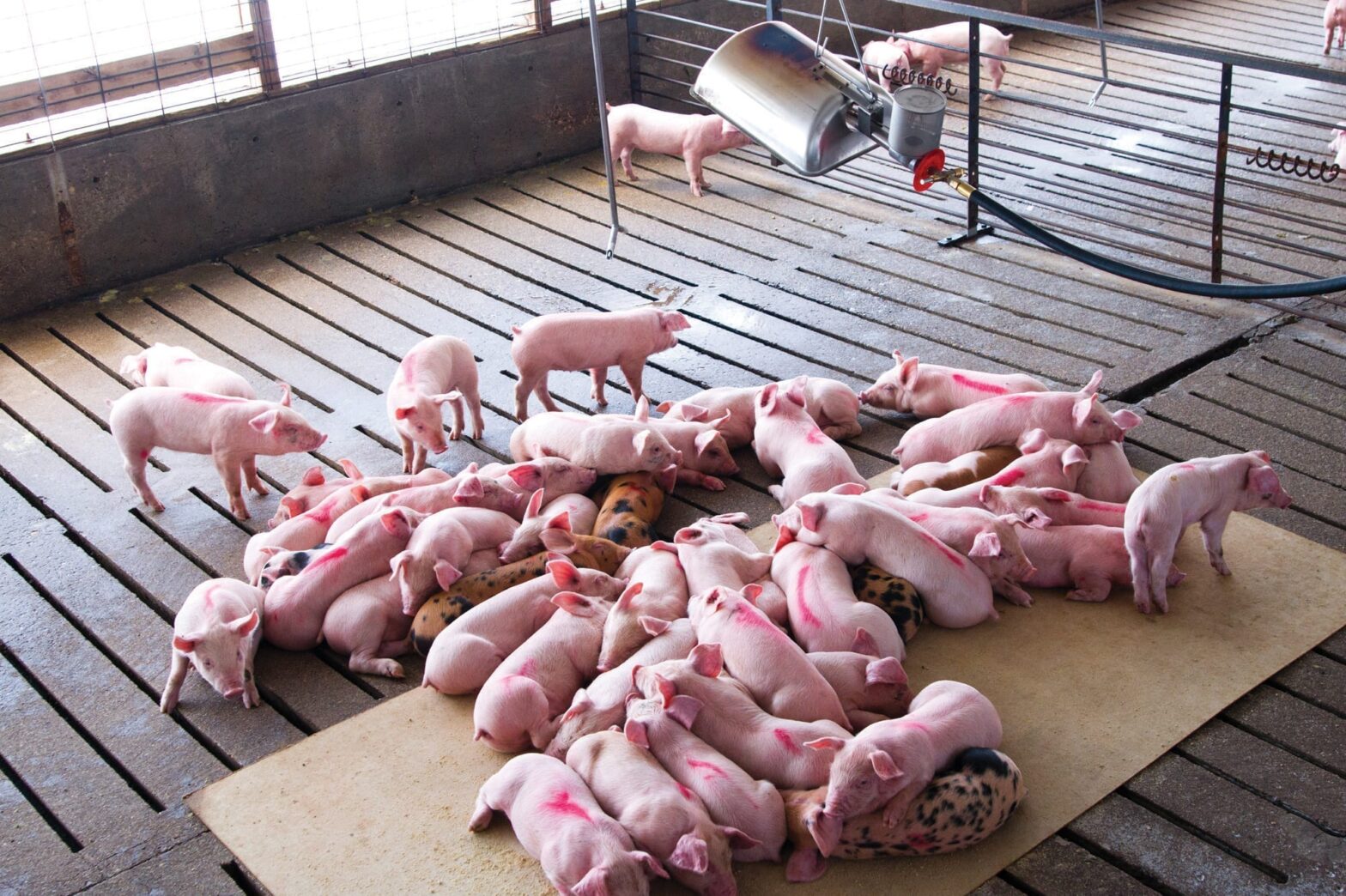
One of the issues that the swine industry has been facing over the years is the problem associated with compromised gut health of piglets at the time of weaning, leading to post-weaning diarrhoea (PWD), one of the most important concerns impacting productivity and profitability of the flock. PWD in weaned pigs is characterised by frequent discharge of watery faeces during the first 2 weeks after weaning and represents one of the major economic problems for the pig industry.
PWD is a multifactorial condition that occurs both due to management-related issues and due to pathogen proliferation; however, the complete and precise pathogenesis has yet to be identified. Weaning pigs is one of the most stressful times because there are many changes that impact the outcome of PWD. Pigs during weaning are required to deal with sudden changes in environment, new piglets in the nursery, and new littermates, in addition to the stress of adapting to a new environment.
Separation of piglets from the sows, changing of diet from milk to solid feed, mixing up of different piglets in the nursery, change of environment, and creating of social order and hierarchy among the piglets in the flock are some of the management-related factors that predispose the piglets to PWD not only through the inefficient physiological functioning of the body but also by allowing both intrinsic microbes as well as exogenous pathogens to proliferate and creating compromised gut health leading to PWD. Although at times the managemental factors are partly managed by the late weaning of piglets, due to its economic consequences, it is not widely acceptable in piggeries.
Since the piglets need to have a quick physiological adaptation to a change in diet from more digestible sour milk to less digestible plant-based proteins and carbohydrates, which also contain multiple forms of anti-nutritional factors, Since the major enzyme during the suckling phase is lactase, after the shift to the solid diet, the body takes some time to establish the required levels of enzymes like amylase, protease, etc., which increases the chance of more undigested feed present in the GUT, thereby acting as a predisposing factor for microbial proliferation and colonisation. It also leads to a sharp reduction in feed intake immediately after weaning.
Among the most important infective agents leading to PWD is the proliferation of Escherichia coli (E. coli), which happens to be a common resident of the pig’s gastro-intestinal tract (GIT) but proliferates as the conditions become suitable at the time of weaning. The strains of E. coli with fimbriae (K88 or F4) can attach to the enterocytes of the intestinal lumen and secrete enterotoxin, which is majorly heat labile, leading to the opening of chloride channels and the loss of chloride ions and fluid, leading to diarrhoea. Since E. coli happens to be the first opportunistic organism in the world to proliferate and colonise, the other organisms (viruses and protozoa) follow and aggravate the condition and therefore the symptoms.
One of the most common approaches that has been in practise for a long time for the control of PWD is the use of antibiotics and minerals, which include colistin sulphate, zinc oxide, copper sulphate, etc., often incorporated into the diets of the weaned pigs. Although this strategy has helped in the control of PWD to a good extent, it has also increased the evolution of resistant microbial strains along with the environmental constraints that zinc oxide poses. This has effectively been looked at with serious concern, which has led many countries globally either to completely stop the use of zinc oxide or to phase out its use gradually by adopting new practises and solutions that are eco-friendly and at the same time effective to manage the problem of PWD in pigs.
Various other approaches for the prevention and control of PWD have since been tried, including immune modulators, probiotics, organic acids, anti-microbial peptides, essential oils, etc. Each of the solutions has its own benefits but, at the same time, has not been able to completely replace the use of zinc oxide in the feed. One of the new strategies for the prevention of PWD that is gaining prominence is the use of whole plant botanicals. These whole plant botanicals, having standardised levels of some important phytochemicals, ensure the successful replacement of zinc oxide in the feed while at the same time ensuring the complete prevention of PWD as well as a positive impact on the growth of the piglets.
These whole plant botanicals have a multi-targeted effect within the body of piglets, which ranges from creating a protective shield around the enterocytes that inhibits colonisation and proliferation of pathogenic microbes to optimising gut immunity, reducing gut inflammation, and optimising gut movement and secretion. These solutions, through the synergetic combination of various standardised phytochemicals, can target specific systems within the body to create a unified response, which thus helps in the prevention of PWD. These solutions are primarily intended to act as preventive measures for PWD by creating an adaptive ecosystem within the pig’s body. Various strategies can thus be incorporated for the use of these whole plant botanicals for the prevention and control of PWD in pigs.
Since the need of the hour is to find alternative solutions and strategies to prevent and control PWD by reducing its reliance on zinc oxide, One such solution has been formulated by Essence Natura Pvt. Ltd., India, under the brand name NORFLUX. The solution is a synergistic combination of various essential herbs to fetch the target standardised phytochemicals, which help in the prevention and control of PWD in a natural way by replacing zinc oxide. Additionally, Essence Natura Pvt. Ltd. has also formulated a solution named NORGAIN, which replaces antibiotic growth promoters in the feed. The combined strategy of using both Norflux and Norgain has been shown to have a beneficial effect and a synergistic impact in the control and prevention of PWD while at the same time enhancing the growth of the pigs.
Latest Posts


-
Call anytime
+911204125943
-
Send email
infoessencenatura@gmail.com
-
Visit office
D-215, Devsha Business Park, D Block, Sector 63, Noida, Uttar Pradesh - 201309
